
![[HERO] Zoning in Waterloo Region: The 2026 Shift Every Homeowner and Investor Needs to Know](https://cdn.marblism.com/oxI9SNglnIC.webp)
If you own property in Waterloo Region: or you're thinking about investing here: 2026 is shaping up to be a pivotal year. Zoning rules that have governed how and where we build for decades are being rewritten. At the same time, infrastructure challenges are forcing the Region to pump the brakes on some new development.
Whether you're a homeowner curious about what you can build in your backyard, a developer eyeing your next project, or an investor weighing opportunities in Kitchener, Waterloo, Cambridge, Wilmot, or Woolwich, understanding these zoning shifts is essential.
Let's break down what's happening, why it matters, and how it could affect your property decisions in 2026 and beyond.
What Is Zoning and Why Does It Matter?
Zoning is the set of rules that determines what can be built on a piece of land. It controls building height, density, setbacks, and permitted uses: residential, commercial, industrial, or mixed. For homeowners and investors, zoning determines your property's potential: Can you add a secondary suite? Build a fourplex? Convert to commercial use?
When zoning changes, so does opportunity. More permissive zoning can unlock new housing supply, increase property values, and open doors for creative investment. Restrictive zoning: or development freezes: can do the opposite.
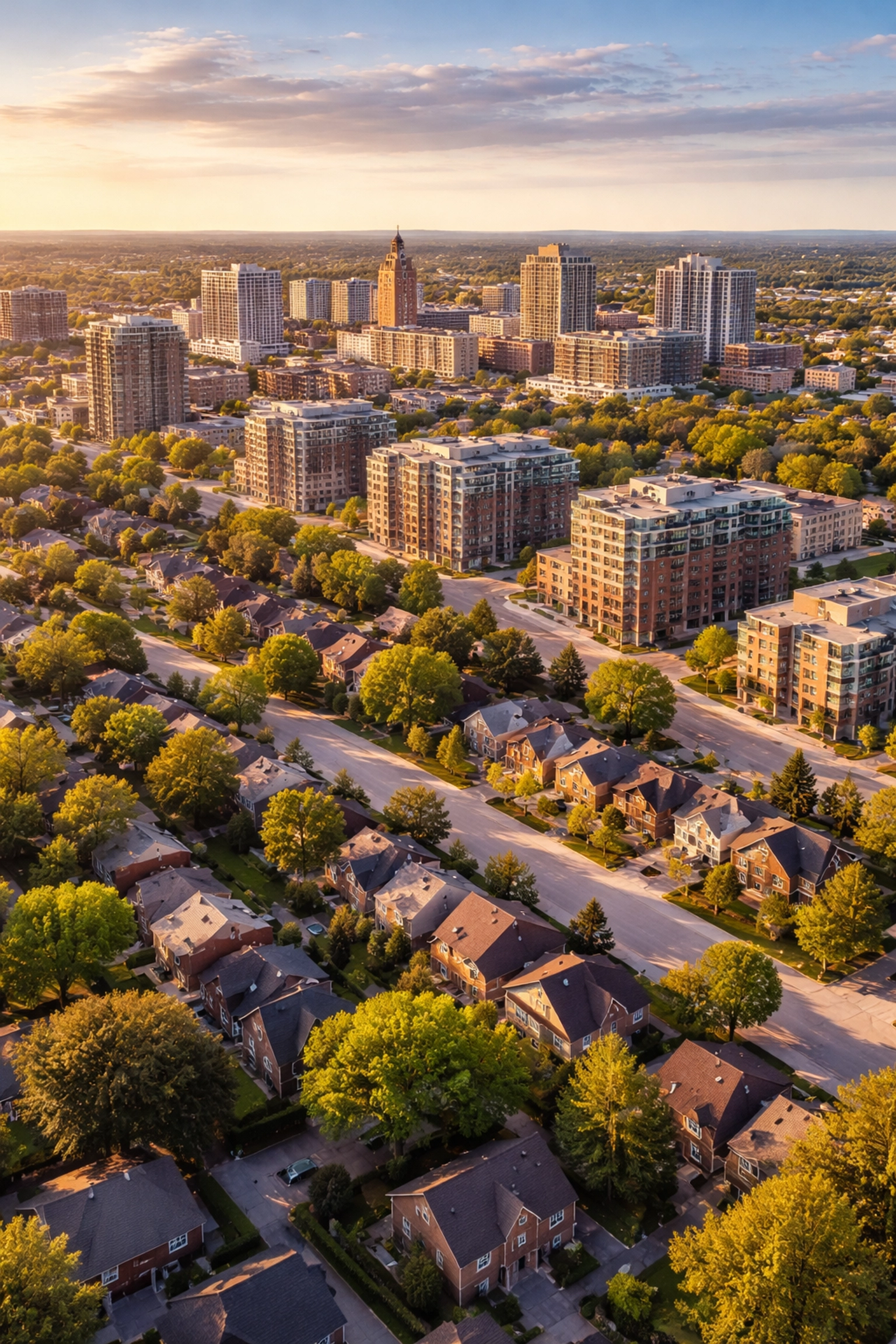
The Big 2026 Update: A Region-Wide Development Pause
In January 2026, Waterloo Region made headlines when it announced a halt on new development approvals in high-growth areas. The reason? Water capacity concerns.
Regional staff flagged that our current water infrastructure may not support the pace of growth. As a result, approvals for new developments in parts of Kitchener, Waterloo, and surrounding areas were paused while engineers and planners review capacity and explore solutions: including upgrades to the Mannheim water treatment plant (Source: CBC News, January 2026).
What does this mean for you?
- Developers and investors: Expect delays on new project approvals, especially in areas closest to the freeze zones. Factor uncertainty into your timelines and budgets.
- Homeowners: If you're considering selling a lot for development, be aware that buyers may be cautious until the freeze lifts.
- Buyers: Reduced new construction could tighten supply and support resale prices, but also creates uncertainty around future neighbourhood growth.
This freeze is not permanent, but its duration depends on how quickly the Region can invest in infrastructure and verify capacity. Stay tuned to official Regional updates for the latest.
Kitchener: Growing Together and the CRoZBy Review
Kitchener has been proactive about enabling growth. Through the Growing Together master plan and the Comprehensive Review of Zoning By-law (CRoZBy), the city is paving the way for up to 35,000 new homes: with a focus on higher-density residential towers in strategic locations (Source: City of Kitchener).
Key changes include:
- Permission for taller buildings and increased density near transit corridors and the downtown core
- Streamlined approval processes for multi-residential projects
- Updated zoning categories that reflect modern housing needs
For investors, Kitchener's zoning reforms signal a city ready to accommodate significant population growth. Properties near the ION light rail corridor: with its distinctive red trains: are particularly well-positioned for future development or appreciation.
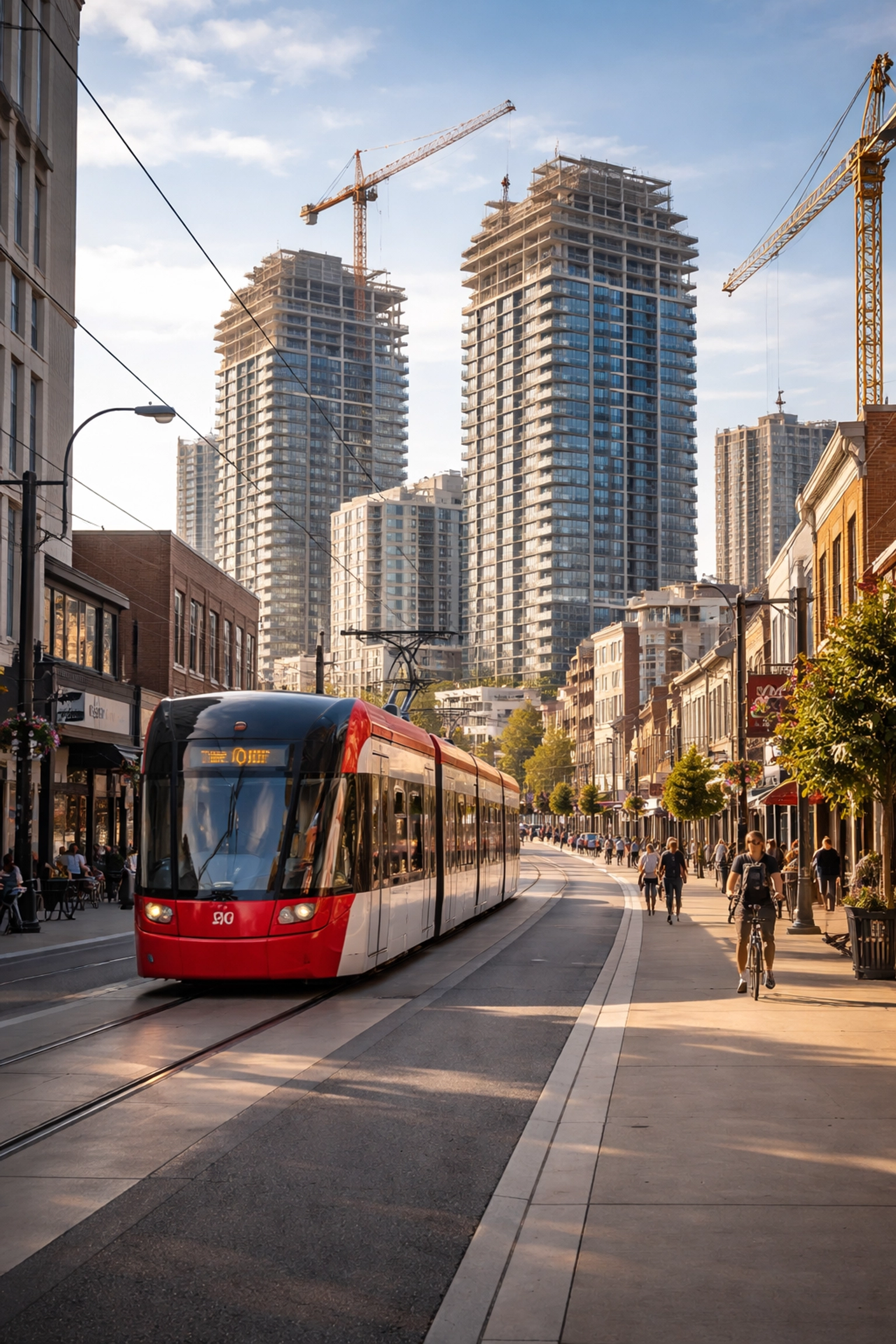
Waterloo: As-of-Right Zoning for the Missing Middle
The City of Waterloo has taken a bold step to address the "missing middle" housing gap. Through its Housing Accelerator Fund agreement, Waterloo now allows up to four residential units as-of-right and up to four storeys in low-density neighbourhoods on existing residential lots (Source: EngageWR).
What does "as-of-right" mean?
It means property owners can build these configurations without requiring a zoning amendment or special approval: dramatically speeding up the process and reducing red tape.
Priority areas for development include:
- Properties near public transit (especially ION stops)
- City-owned land being converted to housing
- Properties near the University of Waterloo and Wilfrid Laurier University campuses
The city has also removed long-standing zoning restrictions and committed to creating "shovel ready" lands for housing providers.
For homeowners: If you own a single-family lot in Waterloo, you may now have the option to add a secondary suite, garden suite, or even convert to a triplex or fourplex. This could significantly boost your property's income potential and resale value.
For investors: The streamlined approval process and expanded permissions make Waterloo an attractive market for small-scale infill development.
Cambridge and Region: Inclusionary Zoning Takes Effect
As of January 1, 2026, Inclusionary Zoning is now in effect across Waterloo Region, including Cambridge. This policy requires developers to include a percentage of affordable units in new projects, particularly those near major transit stations (Source: EngageWR).
How does this affect development?
- Developers must factor affordable housing requirements into project planning and budgets
- Projects near ION stations and planned rapid transit routes are most affected
- The Region aims to increase affordable housing stock without relying solely on government-funded builds
A note on provincial changes: Ontario proposed a regulation in January 2026 that would exempt certain applications from inclusionary zoning in Kitchener and other municipalities. The final status of this regulation should be verified with current provincial sources, as it could affect project feasibility in some areas (Source: Ontario Government, January 2026).
For investors, inclusionary zoning changes the math on larger projects. Carefully review requirements before committing to acquisitions or new builds.
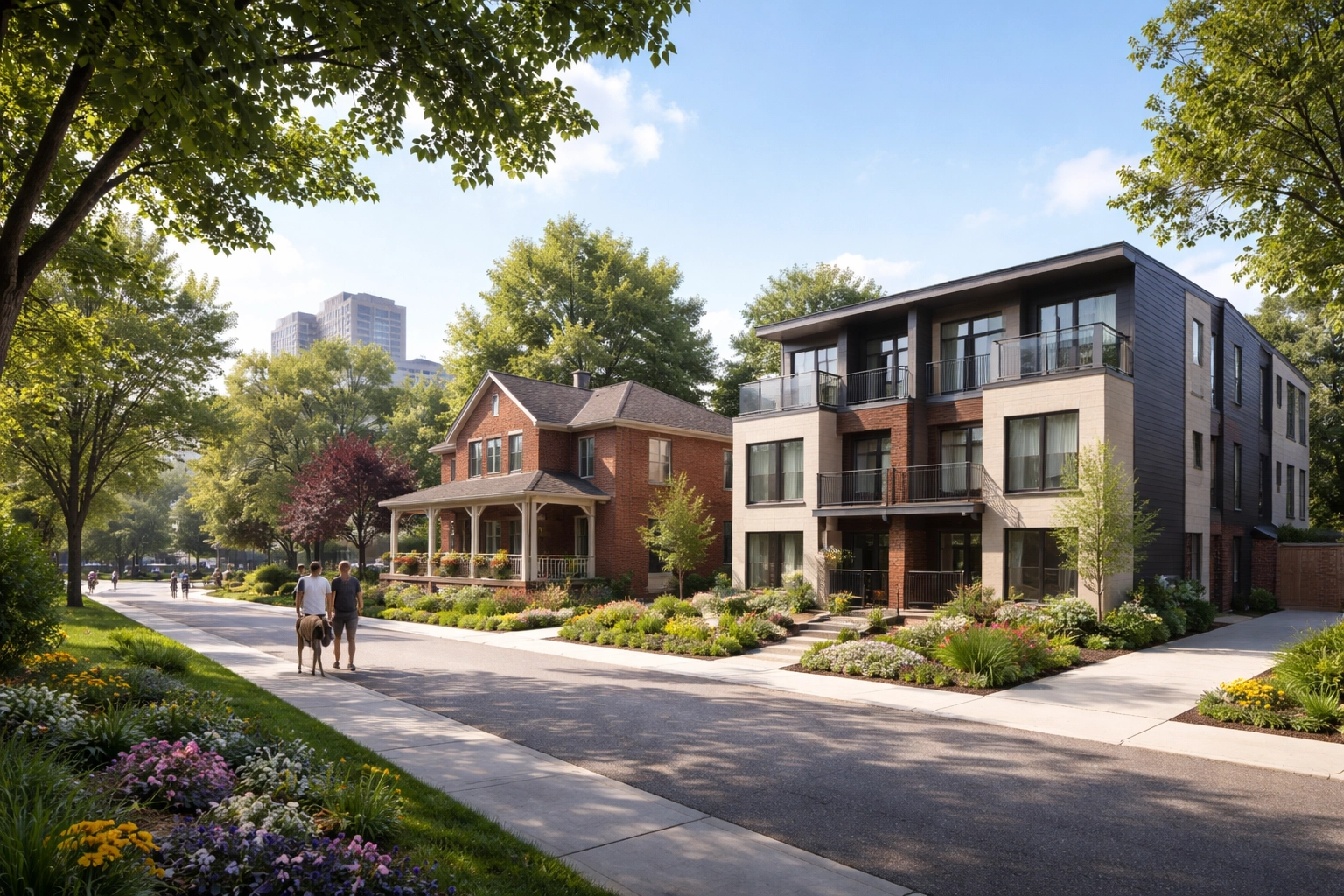
Wilmot and Woolwich Townships: Growth Meets Farmland
The townships of Wilmot and Woolwich present a different zoning challenge: balancing residential growth with the protection of prime agricultural land.
Key considerations:
- Both townships are under pressure to accommodate growth as urban areas fill up
- Provincial and regional policies restrict development on farmland, limiting where new housing can go
- Settlement areas like Baden, New Hamburg, Elmira, and St. Jacobs are the primary focus for residential expansion
For buyers and investors: Opportunities exist in designated settlement areas, but expect stricter limits on rural land development. Properties within settlement boundaries may see increased demand as urban spillover continues.
For homeowners: If you own land in a township, check with your local planning department about what's permitted. Zoning rules here are often more restrictive than in the cities.
How Zoning Changes Affect Housing Supply, Values, and Investment
Zoning is one of the most powerful levers affecting real estate markets. Here's how the 2026 changes play out:
What Should You Do Now?
- Review your property's zoning: Understand what's permitted today: and what may be possible tomorrow.
- Monitor Regional and municipal updates: The water capacity issue is evolving. Stay informed.
- Consult a local expert: Zoning rules vary by municipality and sometimes by neighbourhood. Get advice tailored to your situation.
- Consider the long game: Short-term uncertainty can create buying opportunities for patient investors.
If you have questions about how zoning changes affect your property, your investment plans, or your next home purchase in Waterloo Region, I'm here to help. Contact me for a conversation tailored to your goals.
Kim Louie, Real Estate Broker partnered with Coldwell Banker Peter Benninger Realty | Your Waterloo Region Real Estate Resource
📲 519.573.0837
📧 realtorkimlouie@gmail.com
💻 www.kimlouie.net
Not intended to solicit clients under contract. Content is for informational purposes and not guaranteed nor warrantied.

No comments:
Post a Comment