Monday, June 22, 2020

New Build vs. Resale Home

Contact me today for a Free Home Value Report emailed directly to your inbox!

When trying to decide whether to buy an older home or a newly constructed one, many questions come to mind. Start by educating yourself and knowing the pros and cons of each.
Real estate agents don't like to call a house a "used" house. It makes it sound too much like a used car, doesn't it? But when you're buying a home you only have two choices: new or used. Real estate agents prefer to call a used home an "existing home" which sounds a lot nicer!
If you're deciding between buying a new home and buying one that someone else has owned, you need to consider several issues.
In most cases, existing homes have a touch of character with their own charm and details. They are usually located in more established neighbourhoods with mature trees and desirable landscaping and maybe closer to city services such as schools, libraries, hospitals, shopping centres and public transportation.
Older homes may have better quality materials and workmanship that are too costly for newer homes and may come with window coverings and appliances which are often included with the home. If you are lucky, you may still get an updated kitchen and bathrooms if the home has been renovated.
However, existing homes are generally less energy-efficient and are typically more costly to heat and cool. They may need updating and require expensive repairs, and sometimes it may be difficult to find or match older building materials.
Newer homes usually have bigger rooms, more built-in wardrobes and closets, and more bathrooms. If you are building a new home you can also influence the layout and the finishes within the home as part of the negotiations with the builder or developer.
Whereas with an existing home you will inherit what the previous owner built or remodelled over time. Very rarely will an existing home be built and finished exactly to your liking. Think about how much renovating you'll need to do to an existing home. If you can buy an existing home that's been totally renovated in a great neighbourhood within a good school district this might be a better choice than moving into a newer neighbourhood with an unestablished school district.
On the other side, buying a newly-built home tends to cost more than an existing home, unless you buy outside of the city, where land is cheaper. Of course, you will have to consider the price of gas to get to your job.
And it isn't just about getting to your job. You'll also want to think about how long it will take to get to a grocery store, dry cleaners, your kids' school, your house of worship and other places you get to by car.
While new homes are more expensive, they might also increase in value faster than an existing home. That said, it may be challenging to buy a new home in your neighbourhood of choice, unless you buy a lot, hire a developer and build your own home-which can get quite costly.
However, with new homes, you get warranties and guarantees on appliances that come with the new home. Dangerous building materials, such as lead and asbestos, will likely not be a problem. A new home will meet modern safety and building codes and usually use building materials that offer improved insulation, thereby reducing your heating bill.
You may be able to upgrade or customize such features as floor coverings or paint colours and sometimes the floor plan. New homes often have more closet and storage space and most importantly don't require as much maintenance.
New homes though have their own disadvantages. Higher taxes could be required to bring water, gas or electrical services to a still under-populated area. Resale could be difficult if the entire neighbourhood is not yet complete, and you may have to cope with construction noise, dust and mud. New neighbourhoods frequently lack the relaxing appearance of mature trees, and your new subdivision may require costly landscaping.
You can make the case for and against buying either a new home or a "used" home. It's great to live in a brand new home, but there's nothing like the feel of an established neighbourhood. The bottom line is price: it depends on what you want to spend, where you want to live, and what kinds of amenities you'll want to have.

Inexpensive Summer Home Makeovers

Contact me today for a Free Home Value Report emailed directly to your inbox!
Many homeowners want to change their home’s decor but think they can’t afford it. Some even feel they should use the money to pay off their mortgage. However, revamping your home decor doesn't have to cost you a bundle. All it takes is creative thinking—colours, placement, and the mood you want to set. You'll be surprised how small changes can add flavour to your lifestyle without spending a lot of money.

Simplicity is bliss
Less means more in terms of style and overall look. Clutter-free spaces make your home appear larger in size. So the first step of any makeover should be to tidy up. Store away any item that you will not need for the season like heavy blankets and clothing.

Cover your furniture
Slipcovers give any room a fresh new makeover. Not only do they conceal old upholstery, but changing the entire colour palette of the room becomes a snap. In addition, slipcovers are inexpensive and easy to clean.

Dark colour furniture creates a warm, cozy feeling in the winter but might be a bit too much for summer. Simply toss on a white slipcover to create a cool atmosphere for those humid days.

The trick with slipcovers is to use them to match furniture pieces—both in colour and style. Change the hues in your room to transform the mood. Turn an old couch into a beautiful new sofa. The possibilities are endless.

Add flair with pillows
It is always a wise investment in furniture to go with neutral shades because the classic look will never go out of style. However, that doesn’t mean you have to sacrifice fashion for function. Pillows are an excellent way to bring current design trends into your home without breaking your budget. Select pillows in different sizes, patterns, and textures to add some flair to your rooms.

Get an area rug
Area rugs are a great example of how you can creatively redecorate your home without making permanent changes. Area rugs do two jobs; they make your room cozier and add a touch of sophistication.

Don’t invest in expensive and huge carpets. Select something that won’t challenge your space, but rather complement it.

Create ambiance
Beyond creating a very romantic mood in your home, candles are an easy way to make your environment more pleasing to the eye. Don’t be a slave to symmetry. Buy candles in all shapes and sizes from pillars to tea lights. Choose your colour palette based on the season: autumnal burgundies and browns for the colder months, peaches, and pastels for summertime.

Bring the outdoors inside
What better way to bring the outdoors in than growing a windowsill garden right in your own home. Select your own seeds, from petunias to lush marigolds. You're guaranteed cheerful blooms all year round!

Not only do plants add grace to your look, but research shows they also improve your health. Plants work hard to clean your air of toxins and reduce stress.

Add flavour to walls
People have a love/hate relationship with wallpaper. Truthfully, there is nothing easier to install than wallpaper to create that instant wow-factor. Nowadays wallpaper coverings have come a long way in both patterns and colours, so you really can find a style that suits your tastes. You don’t need to wallpaper your entire living space; instead, select one of two parallel walls to cover that will complement your existing decor.

Make it picture perfect
You can make a bold statement in your home’s décor by simply picking up a few basic and inexpensive picture frames. Then, buy a whole selection of patterned wrapping paper (yes, the kind you use to wrap presents!) to frame. It’s an easy and interesting way to add a bit of interest to an otherwise standard-looking wall.

Create visual effects
Place large glass jars or carafes of various sizes around the house. Fill with delicious home-baked cookies, pasta, legumes, and other colourful food, or display vibrant fresh blooms. You can even fill the jars based on the season. For example, cinnamon hearts in February and candy canes at Christmas.

Lighten up your space
Lighting is the most important aspect of a home makeover. The right mix of lights can bring a room to life. Pay attention to your kitchen since it's the gathering spot in most homes.

If you've given your home a complete makeover and it still doesn't feel right, the problem may be your selection of lighting.

By incorporating some of the above ideas, you can inexpensively transform your home into a comfy, cozy haven that you will

Wednesday, June 3, 2020

Home Sales Climb in May Compared to Record-Low April


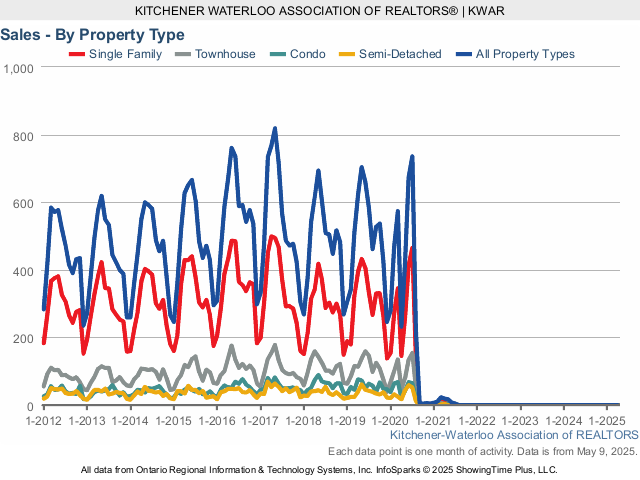
(June 3, 2020) ––There were 419 residential homes sold through the Multiple Listing System (MLS® System) of the Kitchener-Waterloo Association of REALTORS® in May 2020, a decrease of 40.5 per cent compared to May 2019, and an 80 per cent increase compared to April 2020 when sales contracted sharply due to COVID-19.

“Real estate was included as an essential service in Ontario from the outset of the COVID-19 shutdown, and Realtors have stepped up to ensure those who need to list or buy can do so safely,” said Colleen Koehler, President of KWAR.

Total residential sales in May included 255 detached homes (down 41 per cent from May 2019), and 42 condominium apartments (down 42.5 per cent). Sales also included 79 townhouses (down 42.8 per cent) and 43 semi-detached homes (down 29.5 per cent).   

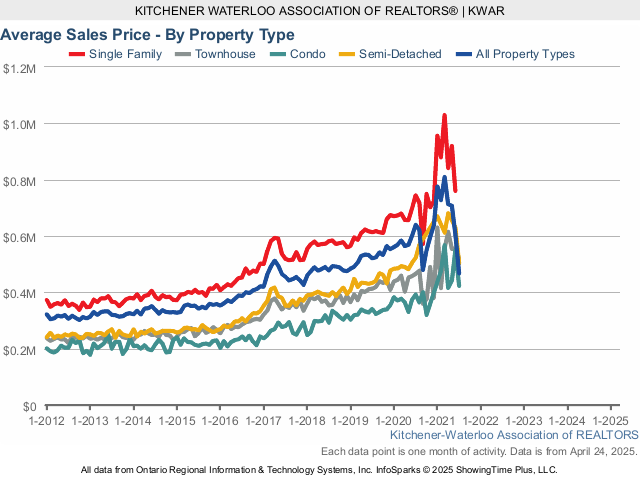
The average sale price of all residential properties sold in May increased 6.5 per cent to $568,275 compared to the same month last year, while detached homes sold for an average price of $657,274 an increase of 5.4 per cent. During this same period, the average sale price for an apartment-style condominium was $330,336 for an increase of 0.6 per cent. Townhomes and semis sold for an average of $454,197 (up 13 per cent) and $482,479 (up 11.4 per cent) respectively.

The median price of all residential properties sold in May increased 10.1 per cent to $545,000 and the median price of a detached home during the same period increased 9.6 per cent to $630,000.
“In May we saw the strong appetite for homes in the Kitchener-Waterloo area is still very much alive,” said Koehler. “But as the virus continued to circulate in the community many would-be sellers were reluctant to put their homes on the market. For the homebuyers who cannot wait out the pandemic, they are not finding any fire sales as homes are not only maintaining their value, but also increasing.” 

There were 577 new listings added to the MLS® System in KW and area last month, a decrease of 48.7 per cent compared to May of 2019, far fewer than the previous 10-year average of 1,035 listings in May.
The total number of homes available for sale in active status at the end of May was 567, a decrease of 43.9 per cent compared to May of last year.

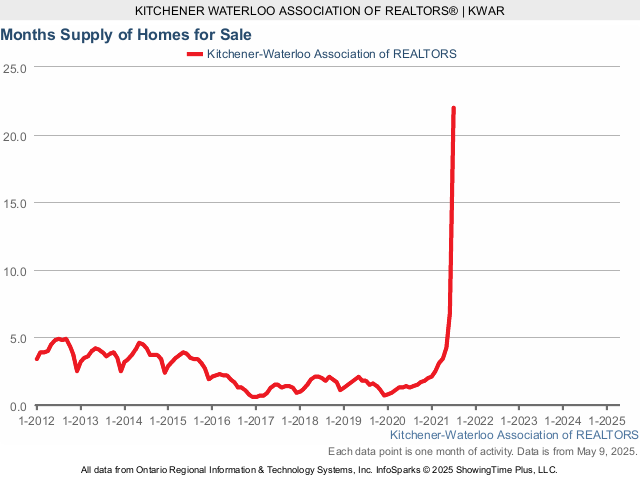
The number of Months Supply (also known as absorption rate) continues to be very low at just 1.3 months for the month of May, 38.1 per cent below the same period last year. The previous ten-year average supply of homes for May was 3.25 months, and in the past 5 years, the average supply for May was 2.32 months.

Koehler acknowledges the pandemic has pushed even the most traditional real estate practitioners to adopt to digital and virtual technology to interact with clients. She advises consumers should talk to their Realtor about the digital tools they use to minimize the need for physical contact and to ensure that all of Health Canada’s guidelines are in place to reduce the risk of transmission of the virus when in-person showings are required.”

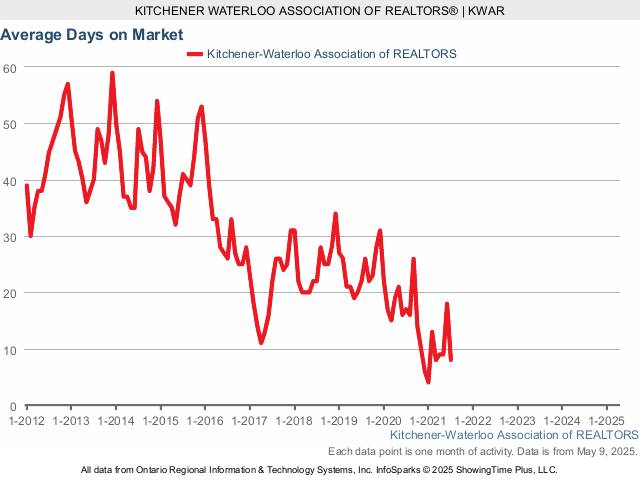
The average days to sell in May was 20 days, compared to 19 days in May 2019.  


Sunday, May 17, 2020

Planting Your First Vegetable Garden

Contact me at www.kimlouie.net for a Free Home Value Report emailed directly to your inbox!
Growing vegetables at home can be fun. It's a great way to spend time with children or have a place to get away and spend time outdoors in the sun and it can save you some money as well.
Vegetables from the home garden in most cases are fresher and have better nutrient values, and are often less costly than those sold in stores.
Growing vegetables is easier than you think. If you plan it right, you can enjoy a beautiful garden full of the fruits of your labour —without having to spend hours and hours tending to it. Vegetables and flowers are natural companions, and the combination can turn a potential eyesore into an attractive landscape feature.
Deciding what to grow
It's best to start small with your first garden. Many gardeners get a little too excited at the beginning of the season and plant more than they need — and end up wasting food and feeling overwhelmed by their garden.
So first, take a look at how much your family will eat. Keep in mind that vegetables such as tomatoes, peppers, and squash keep providing throughout the season — so you may not need many plants to serve your needs. Other vegetables, such as carrots, radishes, and corn, produce only once. You may need to plant more of these.
Determining how much space you need
Once you know what you want to plant, you can figure out how much space your garden will need. Keep in mind that you don't need a large space to begin a vegetable garden. If you choose to grow in containers, you don't even need a yard — a deck or balcony may provide plenty of space.
Picking the perfect spot
 No matter how big your vegetable garden is, there are three basic requirements for success:
1. Full sun. Most vegetables need at least 6-8 hours of direct sun. If they don't get enough light, they won't bear as much and they'll be more susceptible to attack from insects or diseases. If you don't have a spot in full sun, you can still grow many leafy vegetables such as lettuce and spinach. And if you are in a hot-summer climate, cool-season varieties such as peas may do better in part shade.
2. Plenty of water. Because most vegetables aren't very drought tolerant, you'll need to give them a drink during dry spells. The closer your garden is to a source of water, the easier it will be for you.
3. Good soil. As with any kind of garden, success usually starts with the soil. Most vegetables do best in moist, well-drained soil that's rich in organic matter (such as compost or peat moss).

Many gardeners like to have their vegetable gardens close to the house. This makes it easier to harvest fresh produce while you are cooking. It can also be handy to keep a few favourite potted vegetables next to your grill.

Home Theatre Decorating Ideas

Contact me at www.kimlouie.net for a Free Home Value Report emailed directly to your inbox!

A home theatre has quickly become a must-have for practically every family. From the simple family room setup to a much more elaborate theatre-seating wonder, today’s home theatres aren’t just for the wealthy anymore.
The décor of a home theatre will eventually influence how well the room functions as an entertainment space as well as how it shows when the lights are turned on. Creating a functional and beautiful home theatre is easy to do on any budget.  Here are some ideas for creating a home theatre for all to enjoy.
Start by arranging the space. Choose an easy-to-clean surface or a dark colour carpet for the flooring, and select a dark colour for the walls and ceiling.
A home theatre would not be complete without its supporting cast, the furniture. If you plan on having a couch in your home theatre, get a curved sectional. Since the optimal viewing in a movie theatre is the centre seat, a curved sectional will simulate that effect for everyone viewing your television.
If you have a smaller space or prefer a more intimate area, purchase two recliners in dark leather or other fabric. A simple end table can serve as a shared table between the two chairs. Select comfortable and soft furniture which gives luxury while absorbing sound waves to improve audio quality within the room.
Arrange the furniture for the best viewing for everyone. If you have an HD television, your seats should be as far back as 3 to 4 times the width of the screen. This provides optimum picture quality and your guests won’t be straining their neck or eyesight to watch the screen.
Secondly, consider the lighting. You never want to be in a completely dark room when watching a movie as this can be a hard strain on your eyes. Use wall sconces or another dim background lighting at a very low level while watching the TV.
Another typical visual task in the home theatre is entertaining. So you need to have a layered lighting approach. Add some accent lighting in the room, some general lighting, and some decorative lighting.  Remember to use separate controls for each of these layers so that you can change the look and the aesthetic feel of the space-based on function.
No home theatre is complete without refreshments. If space allows, install a built-in or freestanding bar. A complete home theatre bar should include a microwave and mini-refrigerator stocked with water, juices, and your preferred drinks.
If your budget allows, consider adding acoustic wall treatments to balance the acoustic properties of a room. You want to be able to crank up the volume while watching your favourite movie without disturbing other people in your home. There are many commercial products available and you can even buy ready to install treatments.
Most wall or ceiling mounted treatments are really just a wooden frame filled with sound-absorbing or diffusing material. The material is then wrapped in an attractive sound absorbing fabric of your choice. You can also hang wall treatments from your ceiling to help control floor to ceiling reflections.
Finally, when selecting the focal point of your home theatre — the equipment, keep in mind that you can easily find speakers that are installed into the walls for a clean, less cumbersome appearance. The exteriors of these in-wall speakers can be painted and treated to blend seamlessly. If a drop-down projection screen isn’t in your budget, large standard television with surround sound will do nicely. Add a tuner and some speakers for maximum sound quality.

A home theatre is a fun, relaxing place for families to spend time together as well as to entertain. The décor of the room should be about comfort and subtly allow you to enjoy favourite movies or programs in the welcoming retreat of your own home.

Commonly Used Real Estate Terms

coronavirus chine

coronavirus symptomes open coronavirus symptomes
Contact me at www.kimlouie.net for a Free Home Value Report emailed directly to your inbox!

Buying or selling real estate can be a tricky process. There are hundreds of commonly used terms that could make up its own language. Below are some home-buying terms that you will most likely encounter when you purchase your home.
Amenities
Features that enhance and add to the value or desirability of real estate. Common amenities include swimming pools, professional landscaping, gourmet kitchen, and so on.
Amortization
This is a schedule that outlines your loan payments for the duration of the home buying loan. It details how much of each monthly payment goes toward the principal and how much goes toward the loan interest. Initially, the bulk of your payments will be applied toward the interest.
Appraisal
An estimate of the value of the property, made by a qualified professional called an “appraiser”.
Bungalow
A one-story house, cottage, or cabin.
BreachViolation of an obligation in a contract.
Broker
A real estate professional who has acquired a higher level of training and experience than a sales agent. A minimum number of classes must be taken along with passing an exam to acquire a broker’s license. Generally, they are a legal representative or a proprietor of the office. Brokers usually charge a fee or receive a commission for their services.
Building Code
A set of stringent laws that control the construction of buildings, design, materials, and other similar factors.
Condominium
A large property complex that is divided into individual units and sold. Ownership usually includes a non-exclusive interest in certain "common properties" controlled by the condominium management.
Close
The final procedure in a home sale in which documents are signed and recorded. This is the time when the ownership of the property is transferred.
Closing Costs
Expenses in addition to the purchase price for buying and selling a property.
CMA (Comparative Market Analysis.)
A CMA is a report that shows prices of properties that are comparable to a subject property and that were recently sold, are currently on the market or were on the market, but not sold within the listing period.
Conventional Mortgage A first mortgage issued for up to 75% of the property’s appraised value or purchase price, whichever is lower.
Counter Offer
An offer made by the seller back to the buyer altering one or several terms and/or conditions of the offer as originally written.
Deed
A legal document that conveys (transfers) ownership of a property to a buyer.
Earnest Money
Along with an offer, buyers can make a deposit on the home to demonstrate the seriousness of the offer. When an earnest money deposit is made, it is held by an escrow until closing. It is then added to the down payment.
Escrow
Funds held before closing by a third party, usually including the earnest money deposit. Future taxes and homeowner's insurance, held by the mortgage company after closing, are also considered escrow.
FSBO (For Sale By Owner)
This term refers to property that is being sold without a real estate agent. FSBO is also used to refer to the homeowner who is selling the property.
ForeclosureThe process after home buying is complete by which a lender repossesses and resells a property after the owner has defaulted.
Investment Real Estate
Real estate that generates income or is otherwise intended for investment purposes rather than as a primary residence. It is common for investors to own multiple pieces of real estate, one of which serves as a primary residence, while others are used to generate rental income and profits through price appreciation. The tax implications for investment real estate are often different than those for residential real estate.
Land
Property or real estate, not including buildings or equipment that does not occur naturally. Depending on the title, land ownership may also give the holder the rights to all natural resources on the land. These may include water, plants, animal life, fossils, soil, minerals, electromagnetic features, geographical location, and geophysical occurrences.
Land Value
The total value of the land, including any upgrades or improvements to the land.
Land Transfer Tax
Payment to the provincial government for transferring property from the seller to the buyer.
Lien
This is a legal claim that keeps the property from being sold until the lien is paid off.
MLS (Multiple Listing Service)
An organization that collects, compiles, and distributes information about properties listed for sale by its members, who are real estate brokers. Membership isn’t open to the general public, although selected MLS data may be sold to real estate listing websites. An MLS can be local or regional.
Real Estate Agent
A person with a state/provincial license to represent a buyer or a seller in a real estate transaction in exchange for a commission. Most agents work for a real estate broker or realtor.
Title Insurance
An insurance policy that protects a lender’s or owner’s interest in real estate property from assorted types of unexpected or fraudulent claims of ownership. It’s customary for the buyer to pay for the lender’s title insurance policy.

Zoning
Government (usually municipal) laws that control the use of land within a jurisdiction.

Dealing with Lockdown Anxiety

Contact me at www.kimlouie.net for a Free Home Value Report emailed directly to your inbox!
Youngsters facing relationship issues and losing patience with their partners. Employees worried about when (if at all) their next paycheck will come in. Students with hazy academic futures. People living alone who just want someone to talk to. 
There's no doubt many people are finding being stuck indoors for a long time very stressful and is putting families under huge amounts of stress. Maintaining one’s mental wellbeing during a pandemic is as important as containing the viruses. One should not lose sight of mental health. We are in unprecedented times, and it is natural to need help in coping with our situation.
If you're struggling to keep going and are finding it all depressing, We have a few tips to help you to cope.
1- Stick to healthy eating and sleeping habitsStay close to your normal routine, families should plan their daily schedules together, so that everyone knows what the other is doing, and individual preferences can be accommodated. Seemingly harmless changes to a schedule can cause discomfort to others.
2- Be mindful of each other
Living through a lockdown is a new experience for everyone. Staying in can feel like a  loss of independence for many of us. For those whose work has come to a halt, it can feel like a loss of purpose; even for those older adults who have been home-bound, staying indoors isn’t an issue — but if they live with family, having people around all the time can be quite an adjustment. Be mindful of this and find ways to listen to or accommodate each other’s concerns.
Being confined to a small shared space is also bound to cause friction between family members. We are responsible for setting our own personal boundaries. Pick the right time and have a conversation about it with loved ones — it could be something as simple as asking those around you to knock before entering your room. Keep the conversation tone relaxed and quite. 
3- Minimise Corona TimeFreeing up your day from work or social obligations gives you plenty of time to obsess, and if you have a tendency to consult Google for every itch and sneeze, you may be over-researching the pandemic as well.
Choose a couple of credible news sources and follow them for a limited amount of time each day (30 to 60 min). Dedicate the rest of the day to yourself and to your relationships. Do not get obsessed with the news coverage. 
4- Stay connectedStay connected with your social network, make phone and video calls on a daily basis to others. Staying in touch has never been easier. Promote enthusiasm and hope. 
For those who live away from their elderly parents or relatives, do not panic. Instead, show cautious concern. Although, you may have good intentions, repeatedly calling one’s parents to issue instructions could have negative consequences, after all, those at the receiving end might bristle at the idea of their life suddenly being managed by their children, when they have run it themselves all this while.
6- Seek help when you need itIf you begin to feel stress, anxiety, or depression and need someone to talk to, do not hesitate to seek help. Use telehealth as an option to talk to a professional if your anxiety becomes unmanageable. 
Many licensed psychologists are offering telehealth options over video chat platforms. Remember to reach out for help if your anxiety is reaching proportions that are unmanageable without professional help.
Finding peace in the fact that you are doing your part to “flatten the curve” will certainly build mental strength to combat the stressful situation the whole globe is experiencing.
This pandemic will eventually pass, and life will move on. The return to normality can be an overwhelming experience, and we need to pace ourselves gradually into the new reality.

The same can be said of organizations too. For many people, the home ecosystem has slowly become the new normal. So returning to work at an office could require a major adjustment. It is important for employers to recognize this and demonstrate empathy by giving their employees time to adapt.