Sunday, December 8, 2019

Helping Seniors to Enjoy the Holidays


Seniors often experience feelings of isolation and loneliness during the holidays. They may be remembering those dear to them who are no longer here or battling a long illness. Many seniors exhibit signs of increased anxiety or depression due to feeling overwhelmed. Holiday stress can also impact their physical and mental well being.

It is important to include your loved ones in the family holiday preparations to keep them active and involved. Here are some tips to help your elderly loved ones enjoy the holidays:

1. Plan ahead. Encourage the participation of your senior family members in planning both gift buying and holiday activities. Send your loved ones a list of possible gift ideas for other family members and friends and accompany them on a shopping excursion to select the perfect gifts.

2. Get them involved. Involving your senior family members in festive activities allows them to feel helpful and needed. When putting up your Christmas tree, have them help you with the ornaments, or work together on cooking a favourite or traditional holiday meal.

3. Link up with like minds.  Reach out to older relatives and friends who are alone and especially those who may share similar interests with your loved ones. Plan group activities like exercise, meals, games and trips to get them out of the house and expand their circle of friends.

4. Maintain a happy environment. Maintain brightness during these special festive days, despite the sense of loss they may have of loved ones who are no longer here to partake in the holiday with them.

5. Bring back happy memories. Seniors often find great joy in having someone show interest in them and their past. Help your senior family member feel loved and involved by going down memory lane. Go through your family photo albums, share old stories or watch old family movies together.

6. Create a senior-friendly environment. If you plan on taking your loved ones out to celebrate at another person's home, make sure the new environment is safe for them. Ask the host to remove slippery throw rugs and other items that could be hazardous or barriers to people who have difficulty walking.

7. Monitor their health condition. Make sure your loved ones adhere to their regular schedule of medications during the holiday hustle and bustle. If older family members tire easily or are vulnerable to over-stimulation, limit the activities or length of time they are included in the festivities. Consider planning a nap time or providing a "quiet room" where older family members can take a break from the noise and confusion.

8. Encourage social activities. If you live far away from your loved ones and cannot be with them for the full holiday season, try encouraging them to join a senior group in their area, or discuss the possibility of hiring an in-home companion or a helping hand. Not only will the companion be able to help with basic chores and activities but they will be able to provide much-needed social interaction for your loved ones on a regular basis.

9. Give them your time. Give your loved ones the gift they most want—your time and companionship. Seniors will typically relish in the seasonal gatherings. This is the time to have patience, compassion, and provide a safe and wonderful new memory for them to reflect back on throughout the coming year.

Mistakes to Avoid When Selling Your Home


Selling your home? Don’t let avoidable mistakes cut into your profits. Most people don’t sell homes for a living. The right real estate agent is a vital piece in the selling puzzle but ultimately it’s your home and your profit or your loss. Don’t let these common sellers' mistakes diminish your profits.

Mistake #1 -- Setting the Wrong Price for Your Property

Every seller obviously wants to get the most money for his or her home. Ironically, the best way to do this is not to list your home at an excessively high price. A high listing price will cause some prospective buyers to lose interest before even seeing your property. Also, it may lead other buyers to expect more than what you have to offer. As a result, overpriced properties tend to take an unusually long time to sell, and they end up being sold at a lower price.

Mistake #2 -- Mistaking Re-finance Appraisals for the Market Value

Unfortunately, a re-finance appraisal may have been stated at an untruthfully high price. Often, lenders estimate the value of your property to be higher than it actually is in order to encourage re-financing. The market value of your home could actually be lower. Your best bet is to ask your realtor for the most recent information regarding property sales in your neighbourhood. This will give you an up-to-date and factually accurate estimate of your property value.

Mistake #3 -- Failing to "Showcase"

In spite of how frequently this mistake is addressed and how simple it is to avoid, its prevalence is still widespread. When attempting to sell your home to prospective buyers, do not forget to make your home look as pleasant as possible. Make necessary repairs. Clean. Make sure everything functions and looks presentable. A poorly kept home in need of repairs will surely lower the selling price of your property and will even turn away some buyers.

Mistake #4 - Trying to "Hard Sell" While Showing

Buying a house is always an emotional and difficult decision. As a result, you should try to allow prospective buyers to comfortably examine your property. Don't try haggling or forcefully selling. Instead, be friendly and hospitable. A good idea would be to point out any subtle amenities and be receptive to questions.

Mistake #5 - Trying to Sell to Lookers

A prospective buyer who shows interest because of a "for sale" sign he saw may not really be interested in your property. Often buyers who do not come through a realtor are a good 6-9 months away from buying, and they are more interested in seeing what is out there than in actually making a purchase. They may still have to sell their house, or may not be able to afford a house yet. They may also be unsure as to whether or not they want to relocate.

Your realtor should be able to distinguish realistic potential buyers from mere lookers.

Realtors should usually find out a prospective buyer's savings, credit rating, and purchasing power in general. If your realtor fails to find out this pertinent information, you should do some investigating and questioning on your own. This will help you avoid wasting valuable time marketing towards the wrong people. If you have to do this work yourself, consider finding a new realtor.

Mistake #6 – Not understanding of Your Rights and Responsibilities

It is extremely important that you are well-informed of the details in your real estate contract. Real estate contracts are legally binding documents, and they can often be complex and confusing. Not being aware of the terms in your contract could cost you thousands for repairs and inspections. Know what you are responsible for before signing the contract. Can the property be sold "as is"? How will deed restrictions and local zoning laws affect your transaction? Not knowing the answers to these types of questions could end up costing you a considerable amount of money.

Mistake #7 - Signing a Contract with No Escape

Hopefully, you will have taken the time to choose the best realtor for you. But sometimes, as we all know, circumstances change. Perhaps you misjudged your realtor, or perhaps the realtor has other priorities on his or her mind. In any case, you should have the right to fire your agent. Also, you should have the right to select another agent of your choosing. Many real estate companies will simply replace an agent with another one, without consulting you. Be sure to have control over your situation before signing a real estate contract.

Mistake #8 - Limiting the Marketing and Advertising of the Property

There are two obvious marketing tools that nearly every seller uses: open houses and classified ads. Unfortunately, these two tools are rather ineffective. Less than 1% of homes are sold at open houses, and less than 3% are sold because of classified ads. In fact, realtors often use open houses to attract future prospects, not to sell the house.

Your realtor should employ a wide variety of marketing techniques. Your realtor should also be committed to selling your property. He or she should be available for every phone call from a prospective buyer. Most calls are received, and open houses are scheduled, during business hours, so make sure that your realtor is working on selling your home during these hours. Chances are that you have a job, too, so you may not be able to get in touch with many potential buyers.

Mistake #9 - Choosing the Wrong Realtor

Selling your home could be the most important financial transaction in your lifetime. As a result, it is extremely important that you select the realtor that is best for you. Experienced real estate agents often cost as much as brand new agents. Chances are that the experienced agent will be able to bring you a higher price in less time and with fewer hassles.

Take your time when selecting a real estate agent. Interview several agents and ask them key questions. If you want to make your selling experience the best it can be, it is crucial that you select the best agent for you.

Saturday, December 7, 2019

SLOWER HOME SALES—BIG PRICE GAINS IN NOVEMBER


Contact me at kimlouie.net for a Free Home Value Report of your home!

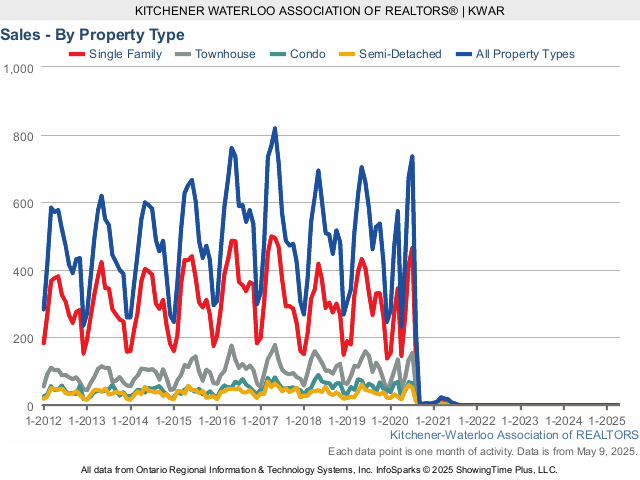
KITCHENER-WATERLOO, ON (December 4, 2019) ––424 residential properties sold through the Multiple Listing System (MLS® System) of the Kitchener-Waterloo Association of REALTORS® (KWAR) in November, a decrease of 12.4 per cent compared to the same month last year.

Home sales in November included 265 detached (down 1.5 per cent), and 46 condominium apartments (down 28.1 per cent). Sales also included 75 townhouses (down 38.5 per cent) and 38 semi-detached homes (up 31 per cent). 

“Home sales were slower in November,” says Colleen Koehler, KWAR President. “However, looking at the last six months of activity combined, unit sales are up four per cent over last year, and trending above average,” says Koehler.

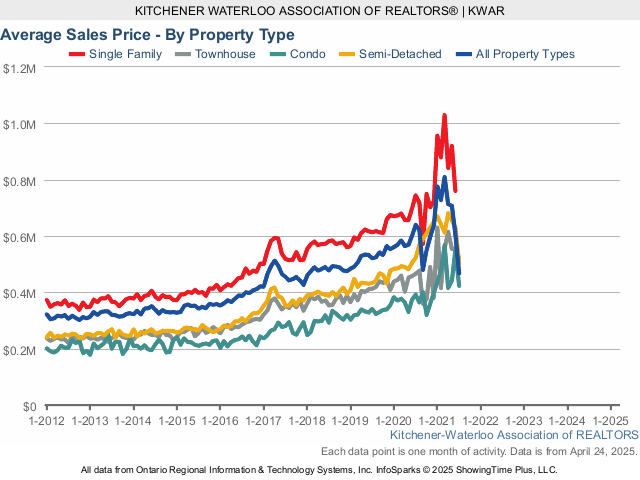
The average sale price of all residential properties sold in November increased by 18.7 per cent to $566,866 compared to November 2018. Detached homes sold for an average price of $660,071 an increase of 14.2 per cent compared to November of last year. During this same period, the average sale price for an apartment-style condominium was $342,561 for an increase of 13 per cent. Townhomes and semis sold for an average of $443,633 (up 22.4 per cent) and $431,635 (up 3.5 per cent) respectively.

The median price of all residential properties sold last month increased 17.6 per cent to $516,500 and the median price of a detached home during the same period increased by 14.7 per cent to $596,250.

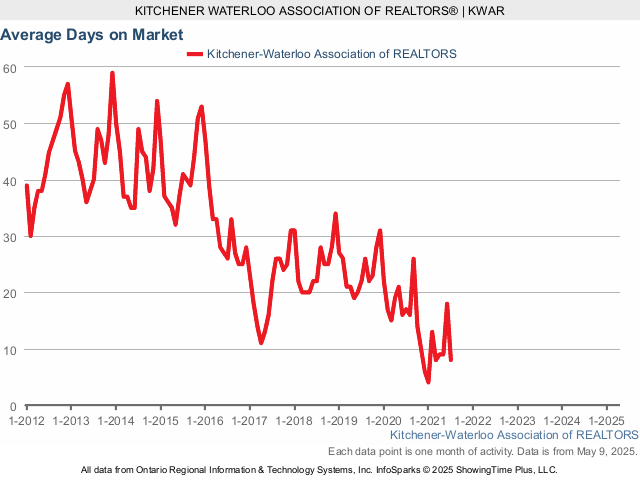
The average days it took to sell a home in November was 27 days, which is one day less than it took in November 2018.

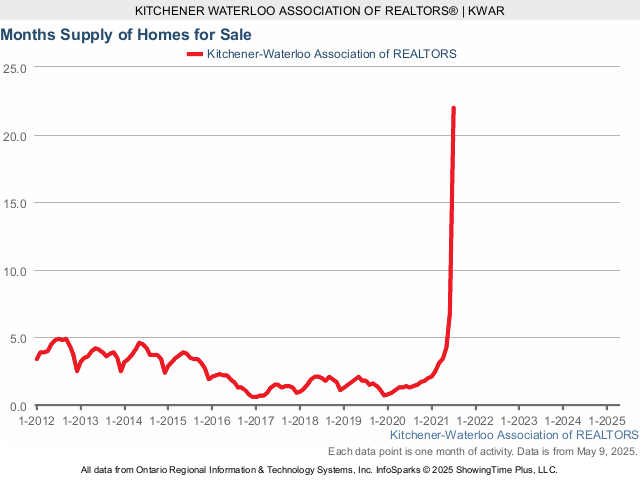
REALTORS® listed 432 residential properties in K-W and area last month, a decrease of 27.9 per cent compared to November of 2018, and a decrease of 17.5 per cent in comparison to the previous ten-year average for the month of November. The total number of homes available for sale in active status at the end of November totalled 553, a decrease of 34 per cent compared to November of last year, and well below the previous ten-year average of 1,252 listings for November. Months Supply of Homes for sale stood at 1.1 months in November, which is 35.3 percent lower than the same period last year. The previous ten-year average months supply of homes for November was 2.68.   

Koehler points to the number of new jobs being created and business investment in the area as factors contributing to the continuing state of demand for homes outpacing inventory.

“People moving to this area from other places is continuing to be a significant factor for our market. These buyers are selling wherever they are coming from and buying here, removing homes from the inventory but not putting anything in. This has pushed up prices by decreasing inventory while demand persists,” says Koehler. “Prices are increasing because homebuyer demand is exceeding the number of homes on the market—as we learned at our Housing Market Insight event last week—this trend will continue throughout 2020.”

Koehler believes the price growth we’re seeing in the Waterloo region is also an indication of the success of our local economy and the value consumers place on homeownership. She advises homebuyers and sellers work with a REALTOR® who is a member of the Kitchener-Waterloo Association of REALTORS® to help them navigate this highly competitive and complex real estate market.   


Wednesday, November 13, 2019

Understanding "Closing Costs" When Purchasing a Home


Contact me at www.kimlouie.net for a Free Home Value Report!


Closing costs — the list of charges that you need to pay to complete a real estate transaction — come as a surprise for many home buyers. Since closing costs are additional costs over and above the price of a home, you should budget at least 2.5% of the purchase price for closing costs, in addition to the down payment.

Your exact closing costs depend on where you live, how much you are borrowing, and how you are financing your mortgage.  The rules and regulations surrounding the various mortgage fees can be complex and can vary from lender to lender. 

Below you will find a brief explanation of these costs. Some of these fees may (or may not) apply to your specific situation. Use this is a guideline and then talk with your lawyer or real estate agent who can provide a more realistic estimate for your situation.

Home inspection fee: A professional inspection is a definite must for buyers purchasing properties for older than 5 years. A typical home inspection can cost anywhere from $300-$400, but that they are well worth the investment. Typically, a home inspection is not required if you are purchasing a new home.

Legal costs and Disbursements: A lawyer or notary will charge a fee for their professional services for work involving drafting the title deed, preparing the mortgage, and conducting the various searches. The disbursements, on the other hand, are out-of-pocket expenses incurred, such as registrations, title search, supplies. These fees usually cost between $600-$800.

Mortgage appraisal fees: Lenders usually require a professional appraisal of the market value of the property in order to process your loan. This could range from $100-$250. This may be waived depending on how you negotiate the mortgage with your lender.

Land survey fee or title insurance fee: A recent survey of the property is usually required by the lender, and if one is not available, it normally costs anywhere from $600-$900 for a new survey. In lieu of a survey, most lenders today will accept Title Insurance, at a much lower price of approximately $225.

Land Transfer Tax: Most provinces charge a land transfer tax payable by the buyer. This tax, which is based on the purchase price, varies from province to province.

High ratio mortgage insurance: This is required if your down payment is less than 20%.

Fire Insurance: All mortgage lenders will require a certificate of fire insurance to be in place from the time you take possession of the home. The cost can vary depending on the property size and extras being insured, as well as the insurance company and the municipality. The cost can vary anywhere from $250-$600 for most properties.

GST/HST is payable for newly constructed homes. Many builders include this cost in the purchase price so that the buyer does not have additional fees at closing. Therefore, on the offer, the purchase price will say "Plus GST" or "GST Included", and it will identify who will receive the new home GST rebate

Avoiding Home Buyer's Remorse


Contact me at www.kimlouie.net for a Free Home Value Report!


Buyer's remorse is an emotional response that many homebuyers experience during the course of a real estate transaction. The response can take various forms such as feelings of regret, fear, depression or anxiety. Many doubtful questions may arise: Did I buy the right house? What if I lose my job? What if home prices drop? Did I overpay? Is this really the neighbourhood I want to live in? Can I really afford the mortgage payments?

There are hundreds of questions that will run through your mind during the period leading up to closing: the day you actually become the owner of the home. Most of the questions will be simple ones that are easily answered, but sometimes doubts creep in, making you uncertain if you want to proceed with the purchase.

When you decide to buy a new home, you're forced to step outside your current comfort zone and confront the unknown. Your mind may try to compensate psychologically for feelings of uncertainty by mentally undoing the event. In other words, you may try to talk yourself out of buying your dream home. Add feelings of uncertainty to the fear of making a long-term commitment, and it's easy to understand why homebuyers can suffer from bouts of anxiety.

Here are some tips that can help you battle home buyer’s remorse:

1. Prepare yourselfThe best way to cope with buyer’s remorse, and minimize its destructiveness, is to make sure that you are well informed. You should find out as much as you can about the home buying process, local home prices and home mortgages.

It's a good idea to study a sample purchase agreement before you buy. Read the contract carefully to make sure that you understand it, and that it says what you think it should. If you have any questions about the purchase agreement, talk to your agent, or real estate attorney.

2. Choose the right agentIn order to make sure that the purchase transaction goes smoothly it is important that you choose the right agent to represent your interests. The right agent will be someone whose experience, knowledge and personality are trustworthy and will allow you to feel comfortable with the whole transaction. Try to find an agent that is familiar and knowledgeable about the neighbourhood and community that you plan to move into.

3. Make sure the property meets your needsGet out that list of wants and needs you made back when you first started the home shopping process. Does the home you selected include the important features that you want? Provided that you saw a number of homes and thoroughly evaluated what each home had to offer, it’s likely that the house you’re about to buy is the best choice for you.

4. Is the price right?Feeling certain about the price you are paying for a home is one of the most important factors that can reduce uncertainty and increase your comfort level. If your agent didn't prepare a comparative market analysis for you on the home you are buying, have him or her prepare one for you now.

5. Consider the resale valueAs you look at houses in a particular area, think about what all of the houses have in common. Most neighbourhoods are usually built at the same time by the same construction company and will have similar floor plans and similar amenities (excluding possible owner upgrades). Before you consider buying the house with the most upgrades, consider whether or not you want to tackle a remodel. Don’t just consider the cost of the remodel, but also think about the amount of time and headache you can handle. No remodel goes smoothly! If a house with a newer kitchen costs $20,000 more than a house with an older kitchen, and you do not have the time to renovate, it may be still worth buying the house with the new kitchen.

6. Ask questionsNo one knows the home better than the seller of the property. If you can find out the seller's motivation for selling you might be able to negotiate a better deal on the house. Try to find out the last time service was performed on the roof, furnace, plumbing and water heating system. Asking the right questions up front can end up saving you a lot of money in the long run.

7. Get a home inspectionSave yourself a lot of time in future litigation and renovation by bringing in a licensed, professional home inspector to inspect the home before you buy. If any major problems are found, it will steer you away from a bad decision and/or it will help you negotiate a better price at the negotiating table.

8. Review your financesYou may want to review your finances to confirm that you can afford to make the purchase. Your feelings of remorse are probably unfounded, so the more rational things you can do to put your decision into the proper perspective, the better.

9. Discuss your concerns with your agentYour agent has seen plenty of cases of home buyer’s remorse and he or she can help put your fears and doubts into perspective.

Remorse is a common feeling during the home buying process. Following the above tips will help you make an educated decision and reduce any remorse you may have.

10 Home Improvement Tips That Will Increase the Value of Your Home


Contact me at www.kimlouie.net for a Free Home Value Report!

Your home is the place where you spend a great amount of time, renovating your house will increase its value and make it a nicer place for you to live. But most people don't have the money to spend on housing upgrades.

Here are 10 inexpensive ways for you to spruce up your home without spending a fortune.


1.Give your kitchen a facelift
The kitchen is the heart of any home, so spend a few hundred dollars to pump it up! You can replace the kitchen faucet set, add new cabinet door handles, and update old lighting fixtures. If you have a dark or small kitchen, make it look larger and brighter by using a lighter finish on the cabinets.

If the kitchen countertop is outdated, consider using a Laminate countertop. They are inexpensive and comes in all kinds of colors and patterns, some of which resemble much more expensive solid surface materials, such as stone or tile.

2. Liven up the bathroom
Buy "expensive-looking" hardware for taps and showers and get a sophisticated new look without cleaning out your wallet. Like in the kitchen, soft lighting and warm colours here can go a long way in increasing home value. Add vases and plants as design elements and make sure vanity mirrors are at an accessible height for every member of the family.

If your bathroom requires any plumbing or electrical fixing, get a professional to do it.

3. Add a fresh coat of paint
New paint makes everything look clean and bright, and you can do it yourself relatively cheaply on interior walls.

Paint with a neutral colour such as beige. It will make the house seem larger, and it will be inoffensive to buyers. And don't forget the ceiling. Paint the trim a contrasting colour.

4. Add wood trim and cornicing
These are cheap and easy to do yourself but can add tons of "WOW" factor to the look of your home. Simple ceiling trim and armchair railing are the easiest and most typical upgrades found in newer homes.

To make an even bolder statement, paint the walls a neutral, flat colour and paint the trim a high gloss white.

5. Consider your flooring options
If your home has hardwood floors covered with carpeting, consider restoring the original hardwood floors, particularly if the carpeting is old and worn.

If not, you can shampoo or steam clean your carpets, or use a dry cleaning system, which requires no water or steamer, and dries instantly while killing virtually all mould and bacteria. Apply according to the manufacturer’s instructions, and then vacuum. If all else fails, get a professional to do the carpets for you. You'd be surprised how much better your carpet will look after a good cleaning.


6. Brighten up lights
Consider replacing the dining room's lights with an eye-catching chandelier. Create a comfortable ambience with recessed lighting that is controlled with dimmer switches to provide the appropriate amount of light for different activities.

Use indirect lighting focused away from television and computer screens to reduce eyestrain.

7. Install modern light switches and outlets
Some of the new style switches can be easily installed using the wires already running to the old switches. Just be sure to turn off the power to the room or entire house before doing any work. The new outlets look nice and give the impression that the electrical wiring in the house is newer than it really is.

8. Create more storage
Extra storage is always a plus. You don't need to renovate to add more storage space, you can create more space for free and without remodelling your home! Revamping your existing closets can do the job.

Many old houses lack closet space. If you have cramped storage areas, add do-it-yourself wire and laminate closet systems to bedrooms.

Make your closets serve a variety of purposes. Try adding a shelving unit to a clothes closet where you can store pantry goods and other items.

9. Reframe your entry
The front door is the statement that you make in your house, and a front door in need of work gives a wrong first impression.

Refinish the front door with a new coat of paint. Replace that worn, flimsy little knob on your main entry door with a more substantial-looking handle-and-lock set. A nice, big piece of hardware signals newcomers that this is a solid home.

While you are preparing the door for the finish coat, be sure to check the weather stripping for damage. With soaring energy costs, adding some new weather stripping can quickly pay you back in utility savings.

Placing planters on either side of the front door will also enhance the image of your entry.

10. Landscape the front yard
A nicely mowed lawn, a few well-placed shrubs and a swept walkway make a great first impression. Get your green thumb on, install some new sod, plant a few evergreen shrubs, and give your front yard a good cleanup. This will draw attention to your home and change people's perception of your home.

Today, there are dozens of choices of plant materials that can add colour and style to your front yard. Stop by your local landscaping center - they'll have dozens of ideas for you.


Ready to renovate but on a tight budget? Spend money on what can be seen vs. what can't be seen. Think new door handles, not new doors, and spiffed-up appliance fronts, not new appliances. Fix up the exterior first, then the interior.

If you put some of these tips in action, you will boost your home's value and live happily ever after in your dreams home. Enjoy!