

The statistics are sobering. Mortgage delinquencies in Ontario have surged 71.5% year-over-year in 2025. Pre-construction project failures have reached a staggering 25% rate. Here in Waterloo Region, home sales have dropped 25% below historical averages. But here's what these numbers don't tell you: the hidden danger lurking behind every failed closing.
When one real estate transaction fails, it doesn't just affect one family. It creates a domino effect that can topple multiple deals, leaving dozens of families scrambling to salvage their moving plans, their children's school arrangements, and their financial futures.
This isn't a temporary market hiccup. The conditions creating these failures are structural, and they're going to persist well into 2026.
Understanding the Chain Reaction
Let's start with a simple example that plays out across Waterloo Region every week:
The Johnson family in Westmount lists their home because they've found their dream house in Laurelwood. The buyers of their Westmount home, the Patel family, are selling their Kitchener condo to make the purchase. Meanwhile, the Patels' condo buyers are first-time homeowners who've saved for years and stretched their budget to the limit.
This is a three-link chain. When it works, everyone moves forward. When it breaks, chaos ensues.
Now imagine the first-time buyers can't close because their lender suddenly tightens requirements due to the 71.5% spike in delinquencies we're seeing. Their deal falls through. The Patels can't sell their condo, so they can't buy the Johnsons' home. The Johnsons can't complete their Laurelwood purchase, and that seller might be part of another chain.
One failed closing just derailed four families' plans.
The 2025 Numbers Tell a Troubling Story

- Mortgage delinquency increases of 71.5% year-over-year signal that more buyers are struggling financially
- Pre-construction failure rates of 25% mean one in four condo buyers won't get the keys they're counting on
- Waterloo Region sales down 25% indicate broader market stress affecting transaction completion rates
These aren't isolated problems. They're interconnected symptoms of a market under strain, and each statistic represents real families facing real consequences.
Why Pre-Construction Failures Hit Hardest
The 25% pre-construction failure rate deserves special attention because these failures create some of the most devastating chain reactions.
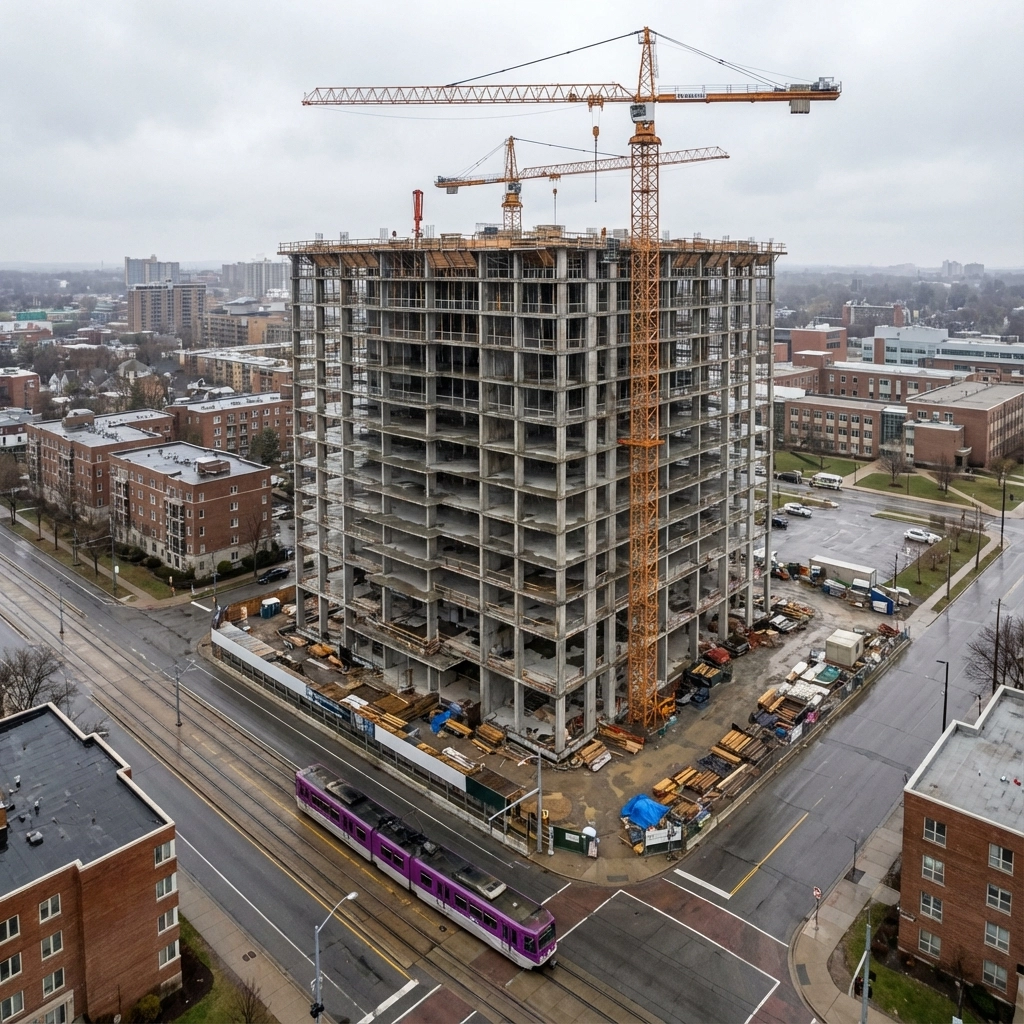
This is happening across our region. Projects in Cambridge, Kitchener, and Waterloo are experiencing delays and cancellations at rates we haven't seen in decades. Each failure doesn't just affect the direct buyer; it impacts entire transaction chains.
The Hidden Costs of Chain Transactions
Most buyers and sellers don't fully understand the financial exposure they face when they become part of a transaction chain. Here's what's at stake:
For Sellers:
- Mortgage payments continue on both properties if your purchase falls through
- Storage costs and temporary accommodation expenses
- Potential legal fees if delays force contract renegotiation
- Lost opportunity costs if market conditions deteriorate during delays
For Buyers:
- Deposit funds tied up in failed transactions
- Additional legal and inspection costs for replacement properties
- Potential for extensive legal fees if disputes arise over failed deals
- Risk of court judgements for losses claimed by sellers (such as market declines, carrying costs)
- Damage to your credit score if a failed transaction results in unpaid debts or legal judgements
- Rental extensions or temporary housing costs
- Potential loss of rate holds with lenders
The financial impact extends beyond individual families. When multiple transactions fail simultaneously, it creates downward pressure on market confidence, making future transactions even more fragile.
Why 2026 Won't Bring Relief
The conditions driving today's failed closings aren't temporary market adjustments. They're structural challenges that will persist:
Interest Rate Environment: Even with potential rate adjustments, the damage to buyer qualification is already done. Lenders remain cautious, and borrowing capacity continues to be constrained compared to previous years.
Pre-Construction Pipeline: The projects experiencing delays and cancellations today were started 2-4 years ago. The reduced starts during 2023-2024's high-rate environment mean fewer completions in 2026-2027, maintaining pressure on the condo market.
Economic Uncertainty: Business slowdowns, employment concerns, and inflation pressures continue to affect buyers' ability to secure and maintain mortgage financing through to closing.
Regulatory Changes: New mortgage rules and development regulations continue to create uncertainty for both buyers and developers, increasing the likelihood of transaction complications.
Regional Impact: How Waterloo Region Is Different
Our local market faces unique challenges that compound the national trends:
Tech Sector Volatility: Our region's heavy dependence on technology employment makes local buyers particularly vulnerable to economic uncertainty and layoffs that can derail financing.
University Housing Cycles: The student rental market creates additional complexity in transaction chains, particularly affecting condos and smaller homes near University of Waterloo and Wilfrid Laurier University.
Regional Growth Pressure: Rapid population growth continues to strain housing supply, but economic uncertainty has slowed new construction starts, creating a mismatch that affects transaction stability.
Protecting Yourself in an Uncertain Market
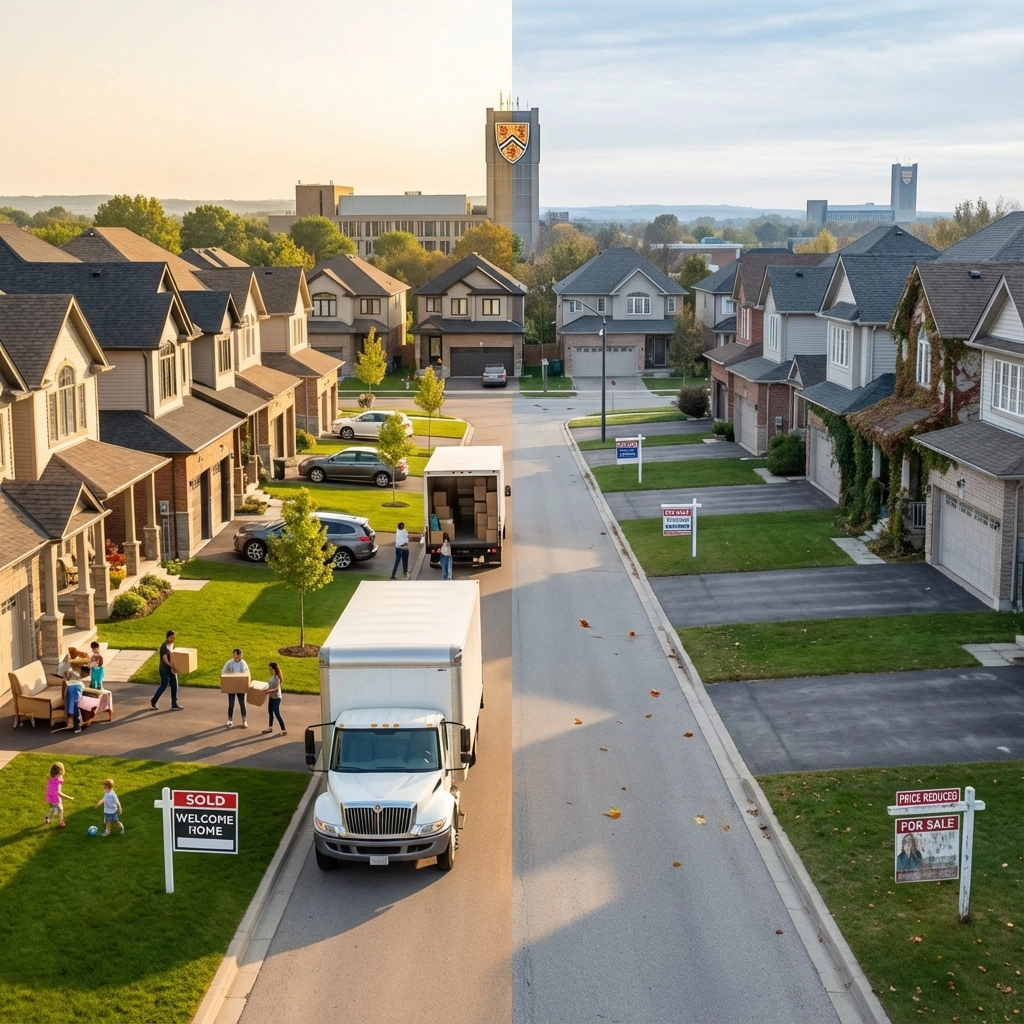
Before Listing: Consider whether you truly need to buy before selling. In today's market, having sold your home before house hunting gives you tremendous negotiating power and eliminates chain risk.
Contingency Planning: Have backup plans for temporary accommodation and storage. Know what happens to your deposits if deals fall through.
Financial Buffering: Ensure you have financial cushion beyond minimum requirements. Pre-approvals from 2024 may not hold in today's tighter lending environment.
Timeline Realism: Build extra time into your moving plans. What used to take 60 days might need 90-120 days in current market conditions.
The Bottom Line for Waterloo Region
The domino effect of failed closings isn't a future risk: it's happening right now across our communities. The 71.5% increase in mortgage delinquencies, 25% pre-construction failure rate, and 25% drop in regional sales aren't just statistics. They represent thousands of families whose carefully laid plans have been disrupted.
As we head into 2026, these challenges will intensify rather than resolve. The smart money is on understanding these risks upfront and planning accordingly, rather than hoping market conditions will improve before your transaction needs to close.
Whether you're buying your first home in Cambridge, selling a family property in Kitchener, or navigating the condo market in Waterloo, the chains that connect our transactions are only as strong as their weakest link. In today's market, those links are more fragile than they've been in years.
The question isn't whether you'll encounter these challenges: it's whether you'll be prepared when you do.
Kim Louie, Real Estate Broker partnered with Coldwell Banker Peter Benninger Realty | Your Waterloo Region Real Estate Resource
📲 519.573.0837
📧 realtorkimlouie@gmail.com
💻 www.kimlouie.net
*** Not intended to solicit clients under contract. Content is for informational purposes and not guaranteed nor warrantied ***

No comments:
Post a Comment