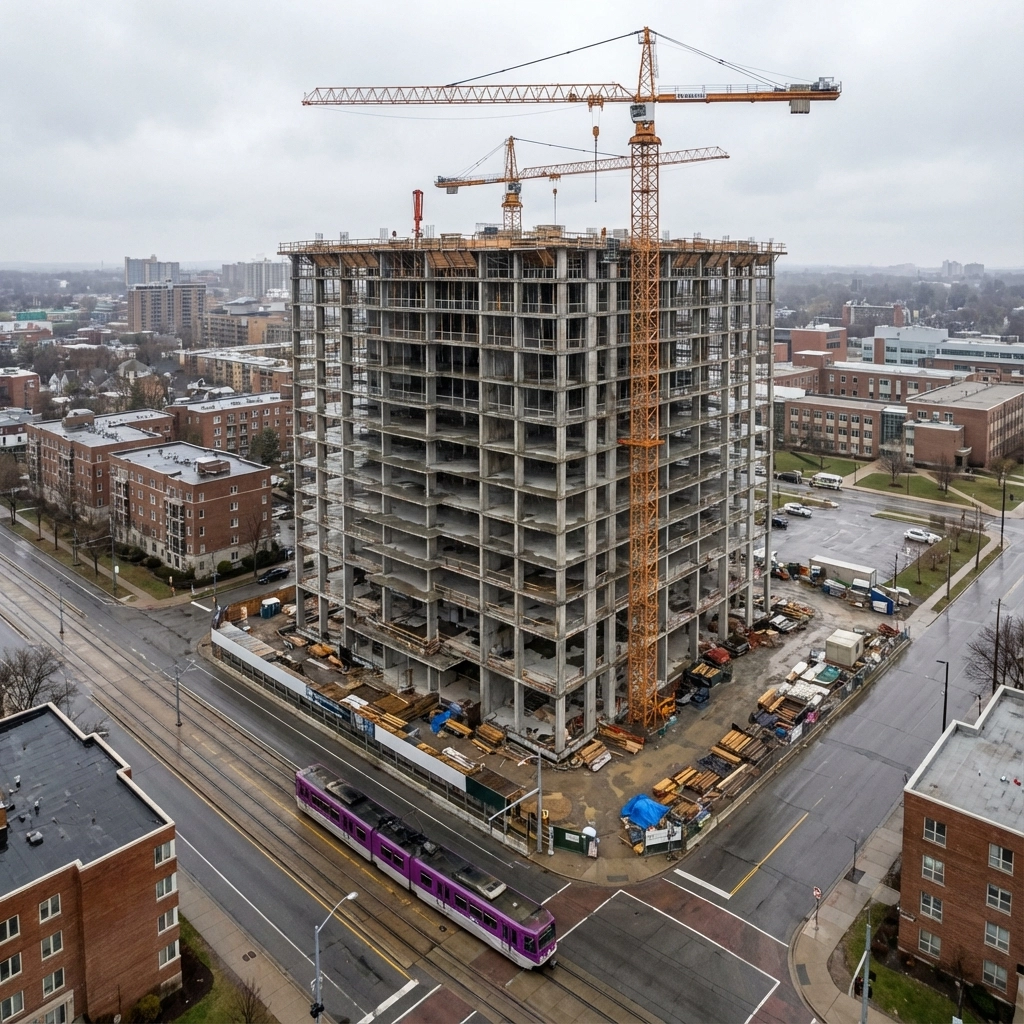
The Infrastructure Foundation Most Buyers Never Consider
When you're house hunting in Waterloo Region, you're probably focused on location, price, and amenities. But there's an invisible foundation that supports every property transaction: municipal infrastructure capacity. And recently, there have been some concerning developments that could reshape our housing landscape in ways most people aren't prepared for.
While Waterloo continues to be one of Ontario's fastest-growing regions, driven by our thriving tech sector and world-class educational institutions, the very infrastructure that enables this growth is showing signs of strain. The question isn't whether this will impact housing: it's when and how severely.
Current State: Investment Masking Underlying Pressure
On the surface, things look positive. In December 2025, Waterloo City Council approved substantial infrastructure funding: $6.8 million from the Housing-Enabling Water Systems Fund, plus additional millions for the Laurel Creek Sanitary Pumping Station. This investment is designed to support up to 4,500 new housing units in the Beaver Creek Meadows and Erbsville North areas.
But here's what the headlines don't tell you: these aren't routine upgrades. They're emergency responses to capacity constraints that are already limiting development potential across the region.
The Warning Signs Hidden in Plain Sight
The need for such significant emergency infrastructure funding reveals three concerning trends:
Reactive Rather Than Proactive Planning: The fact that housing-enabling water systems require dedicated emergency funding suggests our region's growth has outpaced infrastructure planning. This reactive approach typically leads to bottlenecks and delays.
Geographic Concentration Risks: With major infrastructure investments focused on specific corridors like Beaver Creek Meadows and Erbsville North, other areas may face development limitations as capacity is redirected to these priority zones.
Cost Escalation: When municipalities need to fast-track infrastructure projects, costs inevitably rise. These expenses eventually filter down to development charges, property taxes, and ultimately housing prices.
What This Means for 2026 Housing Dynamics
The current infrastructure investments will support housing development in targeted areas through 2026, but they also highlight vulnerabilities that could create significant market disruptions:
Supply Chain Fragility
With water infrastructure operating near capacity, any disruptions: equipment failures, extreme weather events, or maintenance issues: could halt construction approvals across multiple developments. Unlike material shortages that affect individual projects, infrastructure constraints can freeze entire neighbourhoods simultaneously.
Geographic Market Imbalances
Areas receiving priority infrastructure investment will likely see accelerated development and competitive pricing. Meanwhile, neighbourhoods waiting for capacity upgrades could experience construction delays and reduced inventory, creating uneven market conditions across Waterloo Region.

Investment Risk Concentration
Developers and investors are increasingly focused on areas with confirmed infrastructure capacity, creating potential overheating in these zones while other areas stagnate. This concentration increases market volatility and reduces diversification options for investors.
The Ripple Effects: Beyond New Construction
Infrastructure constraints don't just affect new developments: they create broader market pressures that impact every homeowner and buyer:
Existing Home Premium: As new construction faces potential delays, existing homes in areas with stable infrastructure become more valuable relative to those in constrained zones.
Renovation Intensity: Homeowners in infrastructure-limited areas may invest more heavily in renovations and additions rather than moving, affecting inventory turnover rates.
Commercial Impact: Water capacity constraints can also limit commercial development, affecting neighbourhood amenities and property values in unexpected ways.
Regional Competitiveness at Risk
Waterloo Region's economic success depends partly on our ability to house a growing workforce. Tech companies and the University of Waterloo attract talent globally, but housing availability directly impacts recruitment and retention. Infrastructure constraints that limit housing development could undermine our economic competitiveness.
Other Ontario regions: like Durham and York: are aggressively expanding infrastructure capacity to attract both residents and businesses. If Waterloo Region can't maintain housing supply growth, we risk losing economic momentum to competitor markets.
What Buyers and Investors Should Monitor
Given these underlying pressures, savvy real estate participants should track several key indicators:
Municipal Council Agendas: Development charge discussions, infrastructure funding requests, and capacity studies provide early warning signs of constraints or expansions.
Building Permit Trends: Month-over-month permit data reveals whether infrastructure investments are translating into actual development approvals.
Geographic Price Divergence: Unusual price gaps between similar neighbourhoods may indicate infrastructure-driven supply differences.
Development Charge Announcements: Municipalities often signal infrastructure stress through development charge increases, which directly impact housing costs.
Strategic Positioning for Uncertain Times
Whether you're buying, selling, or investing in 2026, infrastructure awareness should inform your decisions:
For buyers, prioritize properties in areas with confirmed long-term infrastructure capacity rather than chasing short-term price advantages in constrained zones.
For sellers, timing may become crucial if your property is in an area facing potential development limitations that could reduce local inventory growth.
For investors, diversification across different infrastructure zones can help manage risk as capacity constraints create uneven market dynamics.
The Bigger Picture: Planning for Resilience
Waterloo Region's current infrastructure challenges reflect broader Ontario growth pressures. While emergency funding solutions provide short-term relief, long-term market stability requires systematic infrastructure planning that anticipates rather than reacts to growth.
The 2026 housing market will likely reward those who understand these infrastructure dynamics while potentially penalizing those who focus solely on traditional market indicators.
As we move through 2025 and into 2026, the question isn't whether infrastructure will impact housing: it's whether market participants will recognize and adapt to these changes before they become obvious to everyone.
Kim Louie, Real Estate Broker partnered with Coldwell Banker Peter Benninger Realty | Your Waterloo Region Real Estate Resource
📲 519.573.0837
📧 realtorkimlouie@gmail.com
💻 www.kimlouie.net
*** Not intended to solicit clients under contract. Content is for informational purposes and not guaranteed nor warrantied ***